

Bronze:Bespoke Bronze Metalwork, Architectural Bronze, Bronze Sculpture & Bronze Lighting
Bronze is a versatile alloy celebrated for its warm tones, remarkable durability and adaptability. A favourite metal used for sculpture, architectural detailing, and high-traffic design features worldwide, bronze metal stands the test of time, both in beauty and performance.
What Is Bronze?
At its heart, bronze is an alloy of copper and tin, though other elements such as zinc, lead, and silicon may be added to enhance its properties. Its distinctive reddish-brown colour and strength come from this precise blend, which has made bronze one of the most admired metals in human history.
Unlike pure copper, bronze is harder and more corrosion-resistant, able to endure centuries of exposure to the elements, a quality that has ensured its enduring use from ancient artefacts to contemporary design and engineering.
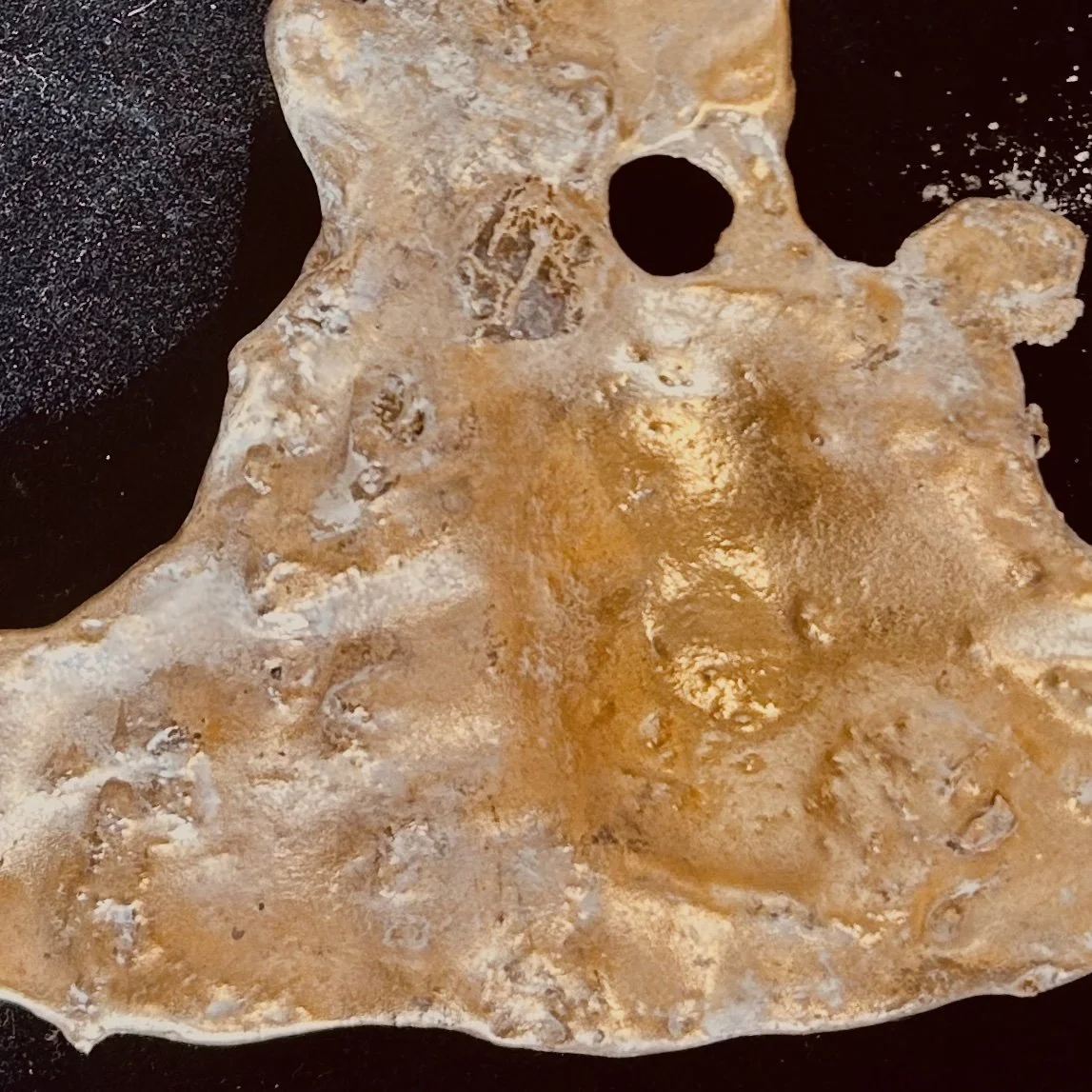
Molten Bronze
Bronze Sculpture: Art That Lasts Generations
For artists and sculptors, bronze is nothing short of a classic medium. Bronze casting qualities allow for extraordinary detail. When molten bronze fills a mould it expands slightly, capturing the finest textures before shrinking just enough to release from that mould with ease.
This remarkable quality is why sculptors from ancient times through to modern British artists trust bronze to deliver works that are both expressive and enduring. Bronze’s natural surface evolves over time, in particular outdoor sculptures may develop a greenish patina, a thin protective layer that changes with exposure and age.
Renowned artists across the UK produce bronze sculptures that capture light, emotion and movement with unmatched finesse. Examples include limited edition figurative pieces and large-scale commissions, each bearing the hallmark resilience and patina that only bronze can deliver.
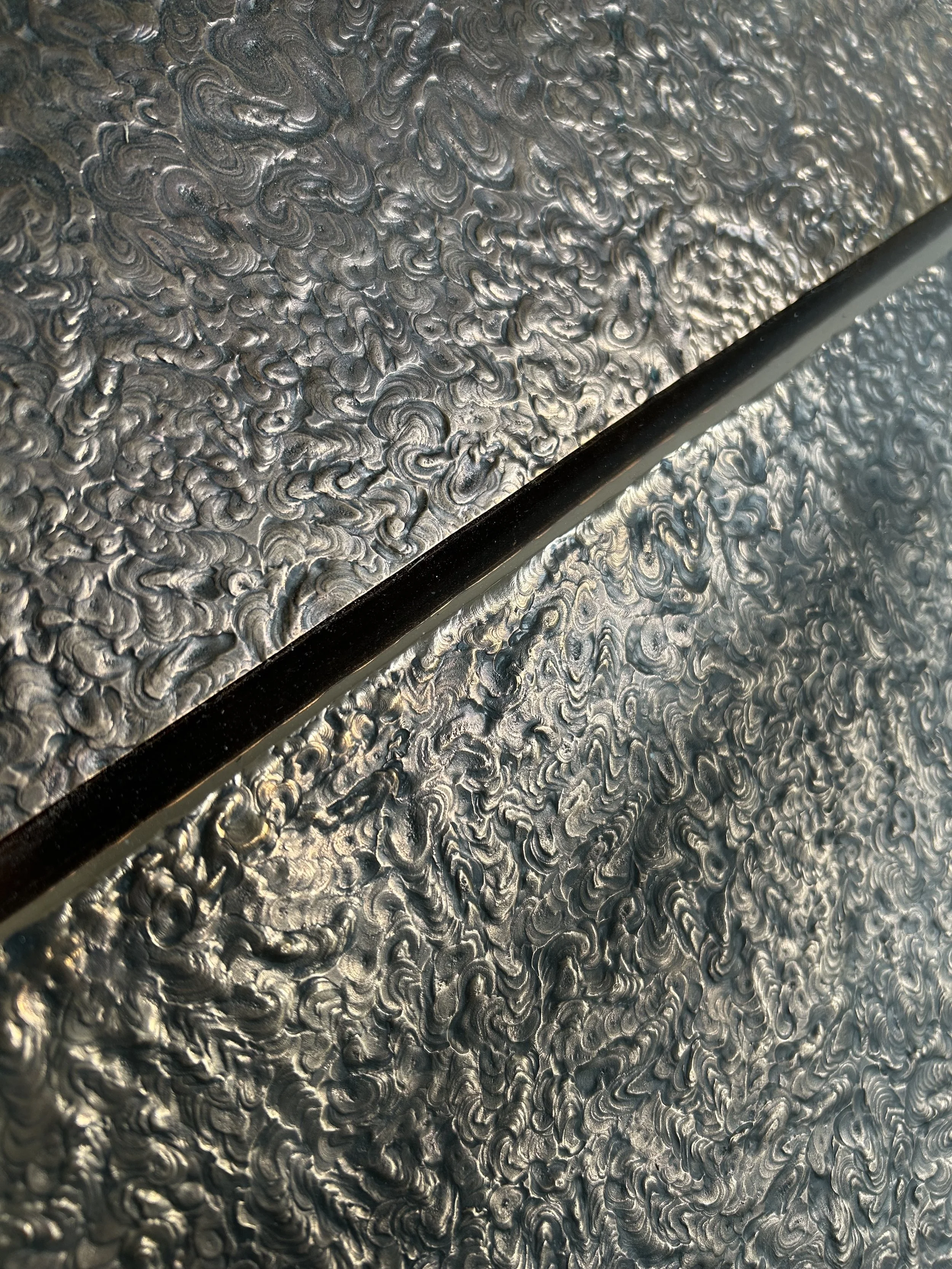
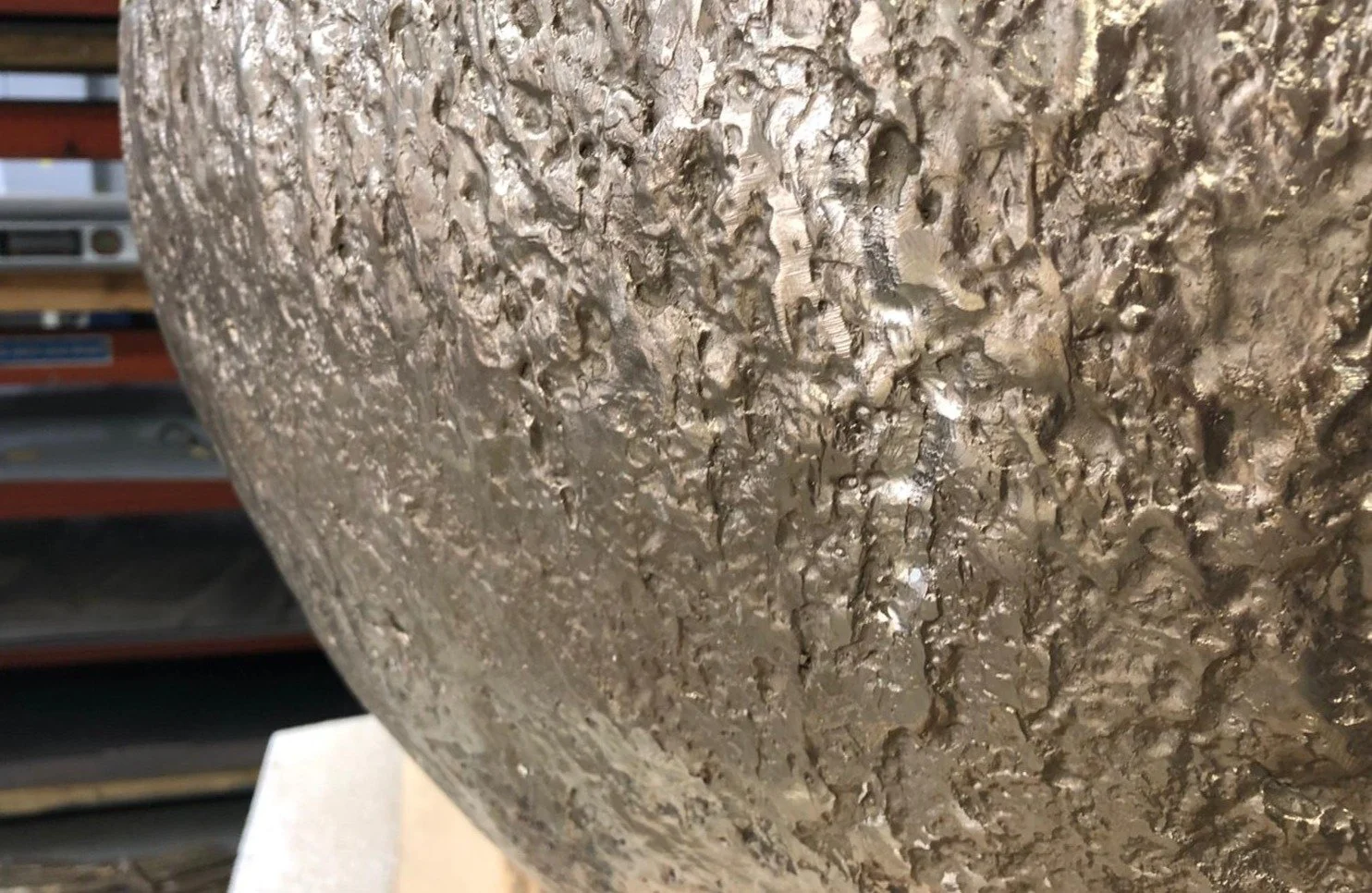
A textured bronze sculptural coffee table
Notable bronze sculptors and artists include:
Henry Moore , Barbara Hepworth , Anthony Gormley , Dame Elizabeth Frink - FRD Designers & Makers were commissioned to design and make Lanterns and balustrade as part of the restoration of Woolland House in Dorset, formerly the home of sculptor Dame Elizabeth Frink RA
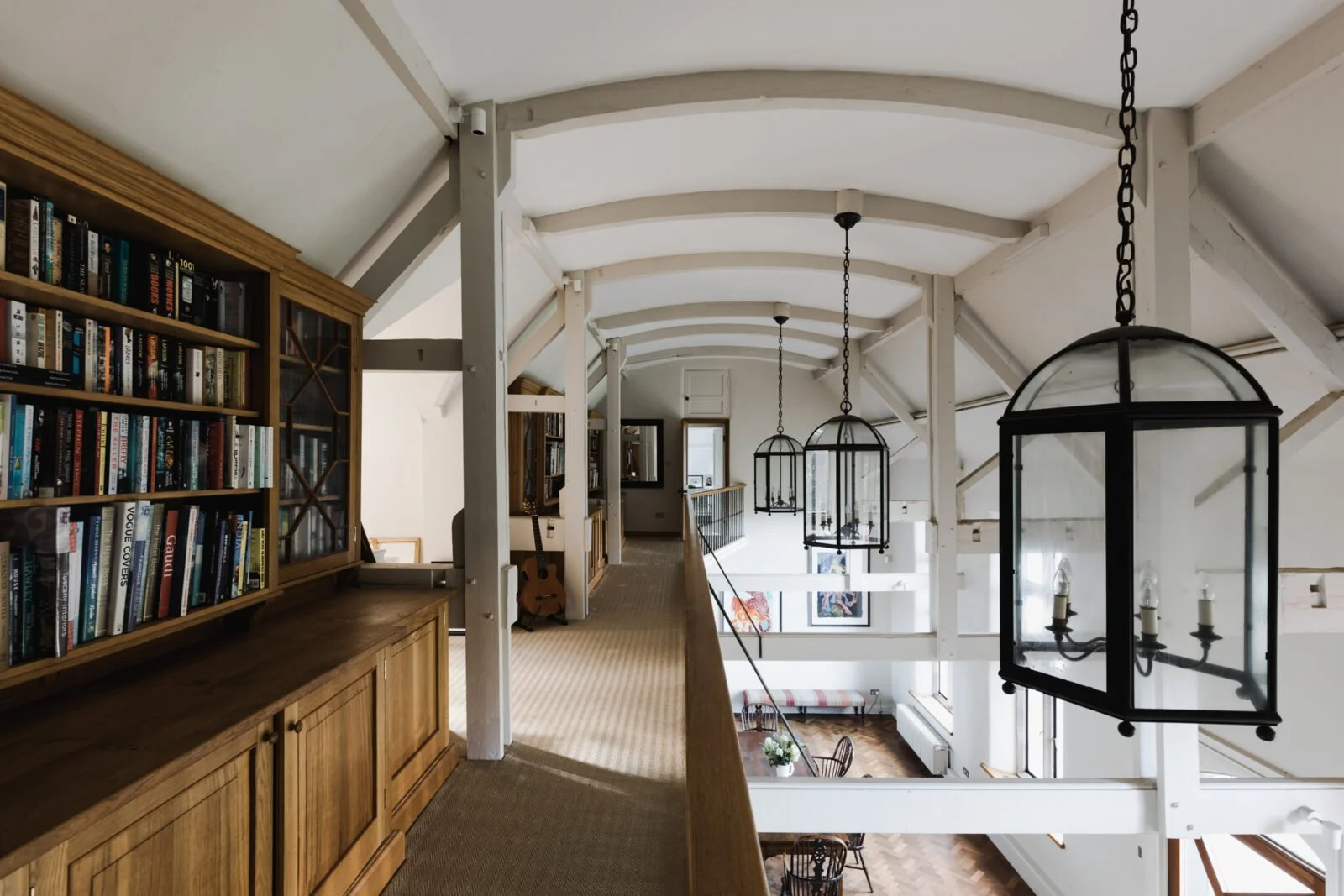
Lanterns and balustrade for Woolland House, Dorset, formerly the home of Dame Elizabeth Frink
Architectural Bronze: Form Meets Function
Bronze isn’t just for gallery spaces, it’s also a serious architectural metal. Its strength and corrosion resistance make it ideal for intricate architectural hardware, decorative bronze trim, bronze plaques, and functional features like bronze door handles, bronze railings and bronze hardware.
Across the UK, bronze continues to be chosen for both heritage and contemporary applications. Its rich tones complement stone and timber, creating a classic aesthetic that aligns seamlessly with period architecture as well as refined modern interiors.
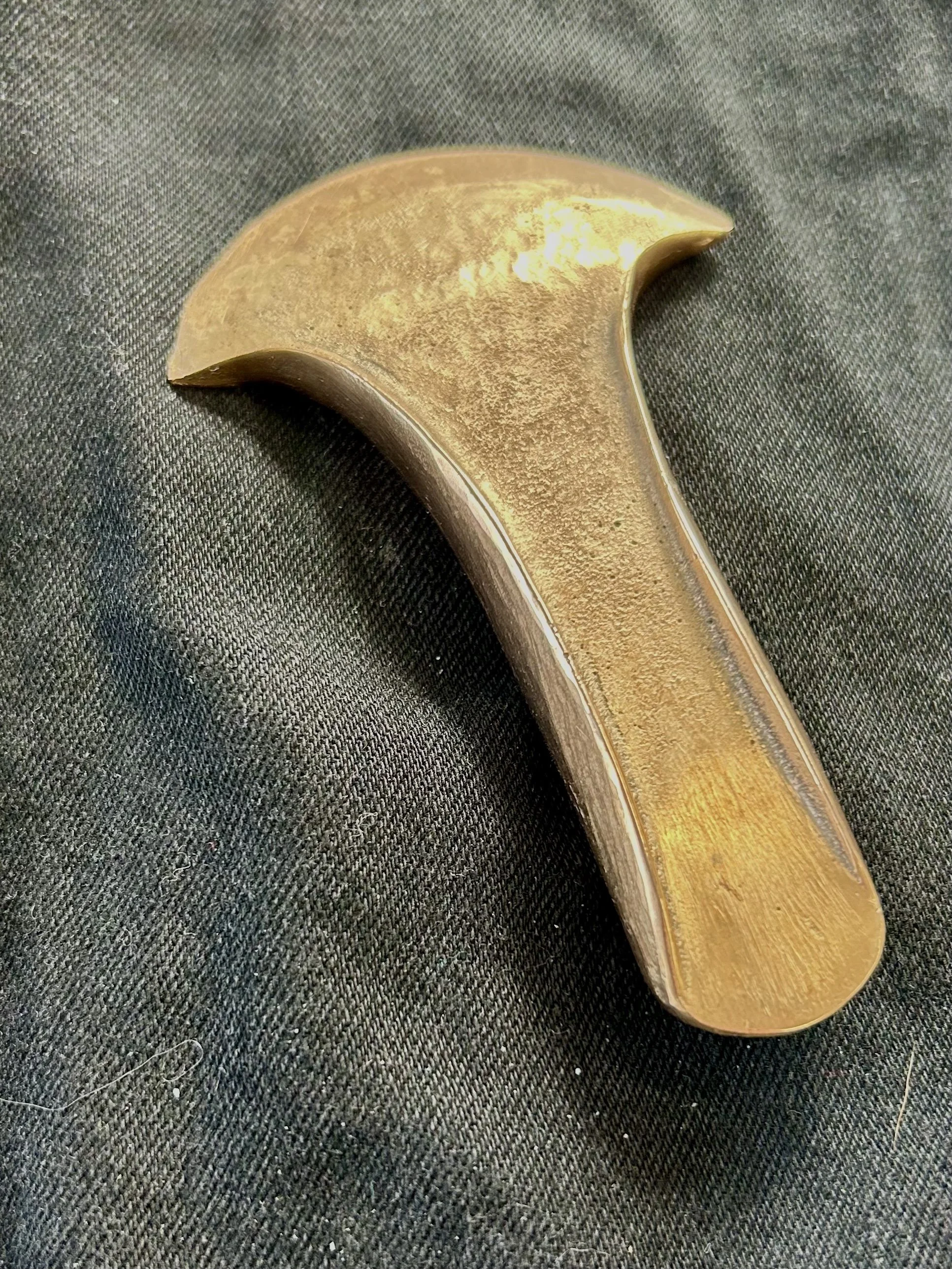
Bronze Step Trims: London Underground & Urban Infrastructure
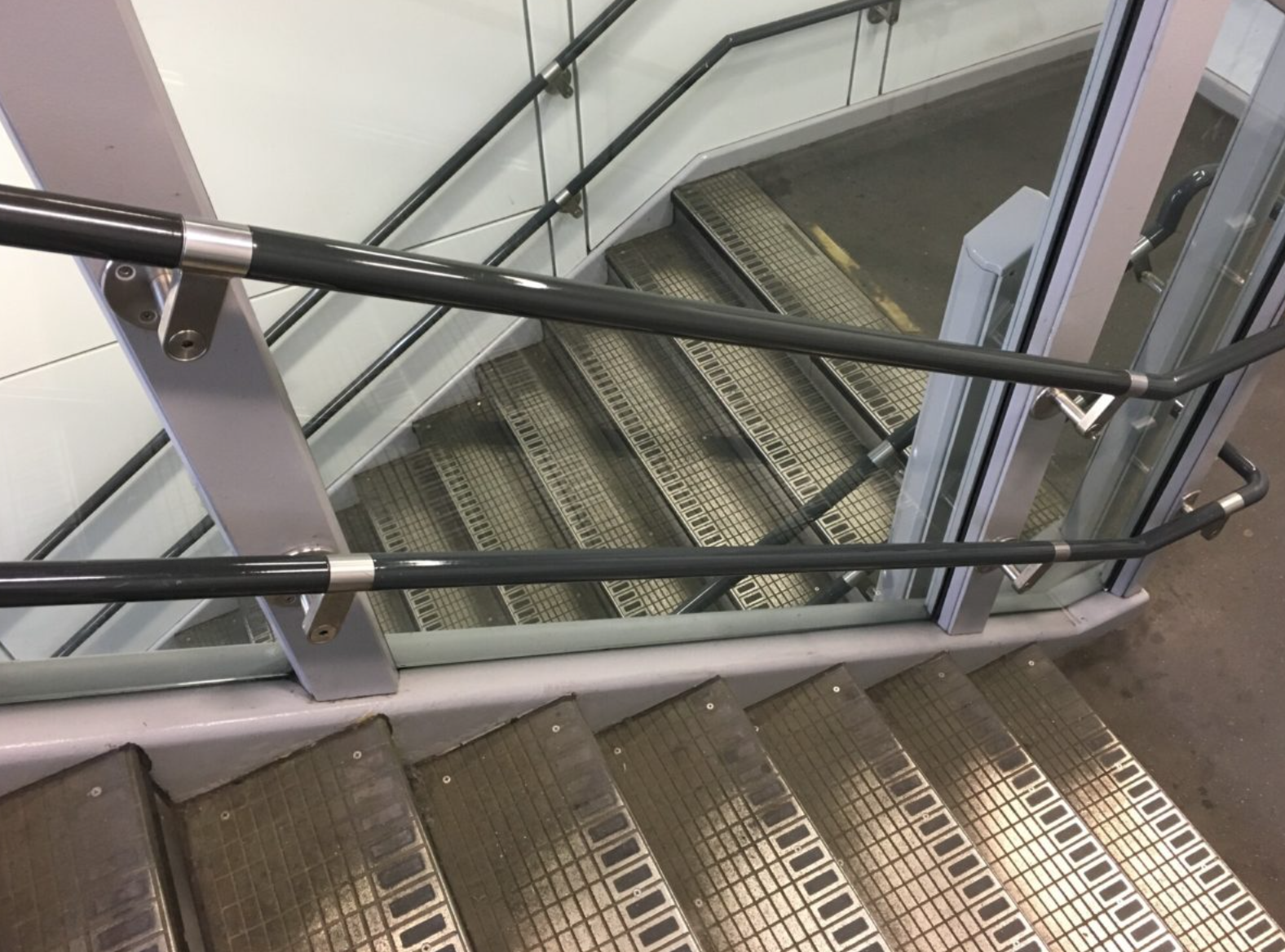
One of the most striking examples of bronze in functional architecture can be found beneath the feet of millions of commuters every year, in the bronze and cast metal stair nosings and step trims used on the London Underground network.
These cast metal step nosings including nickel bronze profiles, are specified for their wear resistance and safety performance in high-footfall environments. They help define the edge of each step with visual contrast while providing slip resistance and longevity in places with intense daily use.
London’s transport infrastructure has long relied on traditional bronze work, combining safety, durability and timeless aesthetic appeal. This is a perfect example of how bronze alloy metals continue to serve both practical and design-driven roles in public spaces.

Why Designers & Makers Love Bronze
Across disciplines, bronze endures because it bridges function and artistic expression. Its warm tones and tactile surface appeal to designers; its resilience and patina potential appeal to architects and fabricators.
In the interior design community bronze has a somewhat glamorous reputation with the general perception being 'Bronze is Brass’s older brother’. FRD Designers & Makers bronze metal work furniture commissions have varied enormously from figurative bronze monkeys as part of a console table, to huge textured coffee tables.
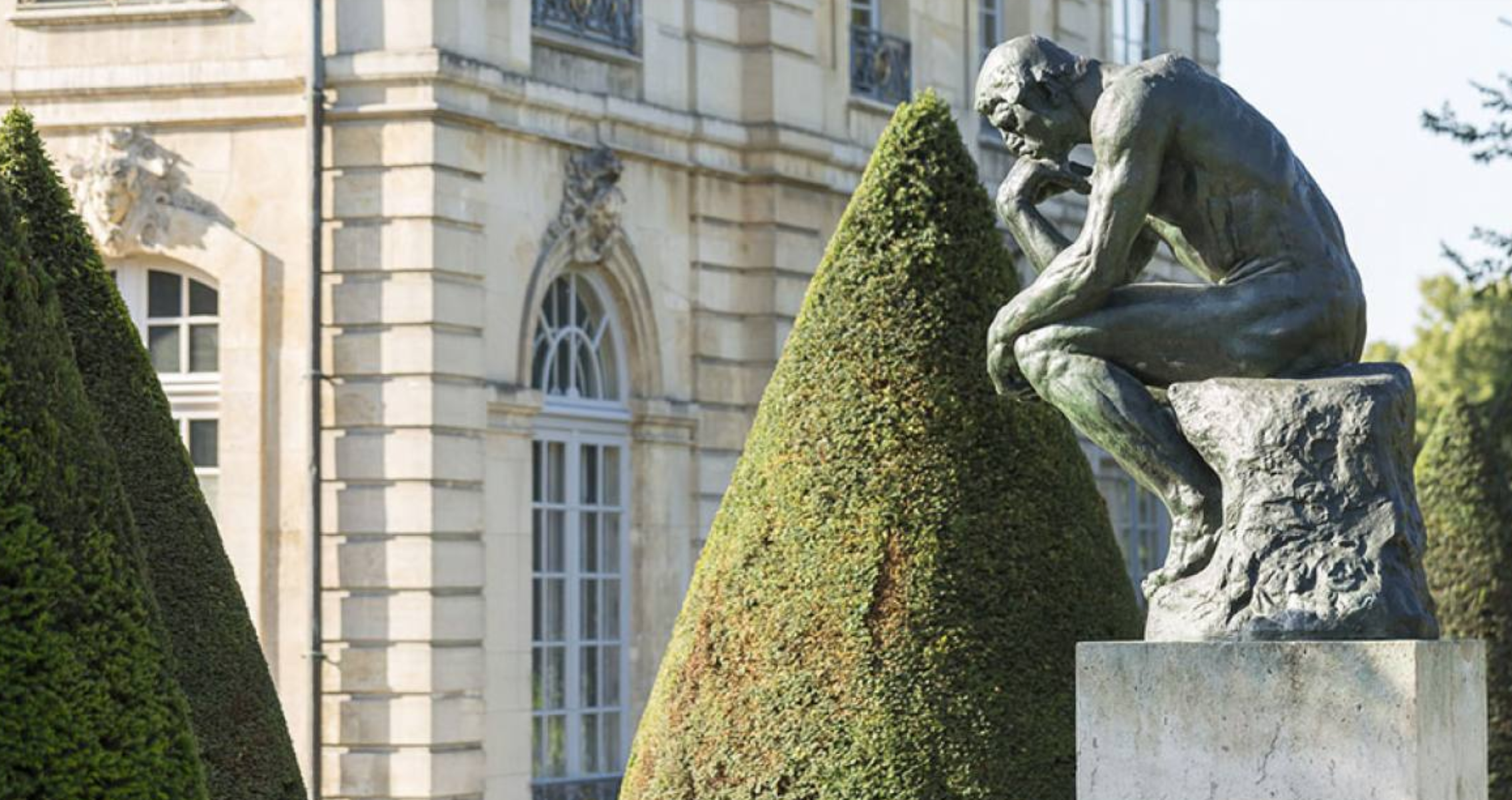
Whether as a hand-finished bronze sculpture in a gallery such as Rodin’s The Thinker or the iconic bronze doors of Selfridges, London, bronze carries:
Historical significance as one of the oldest human-made alloys.
Durability and corrosion resistance for both indoor and outdoor use.
Superior casting qualities that capture fine detail.
Architectural relevance from heritage restorations to contemporary metalwork.

Bronze Fabrication: The different grades of Bronze
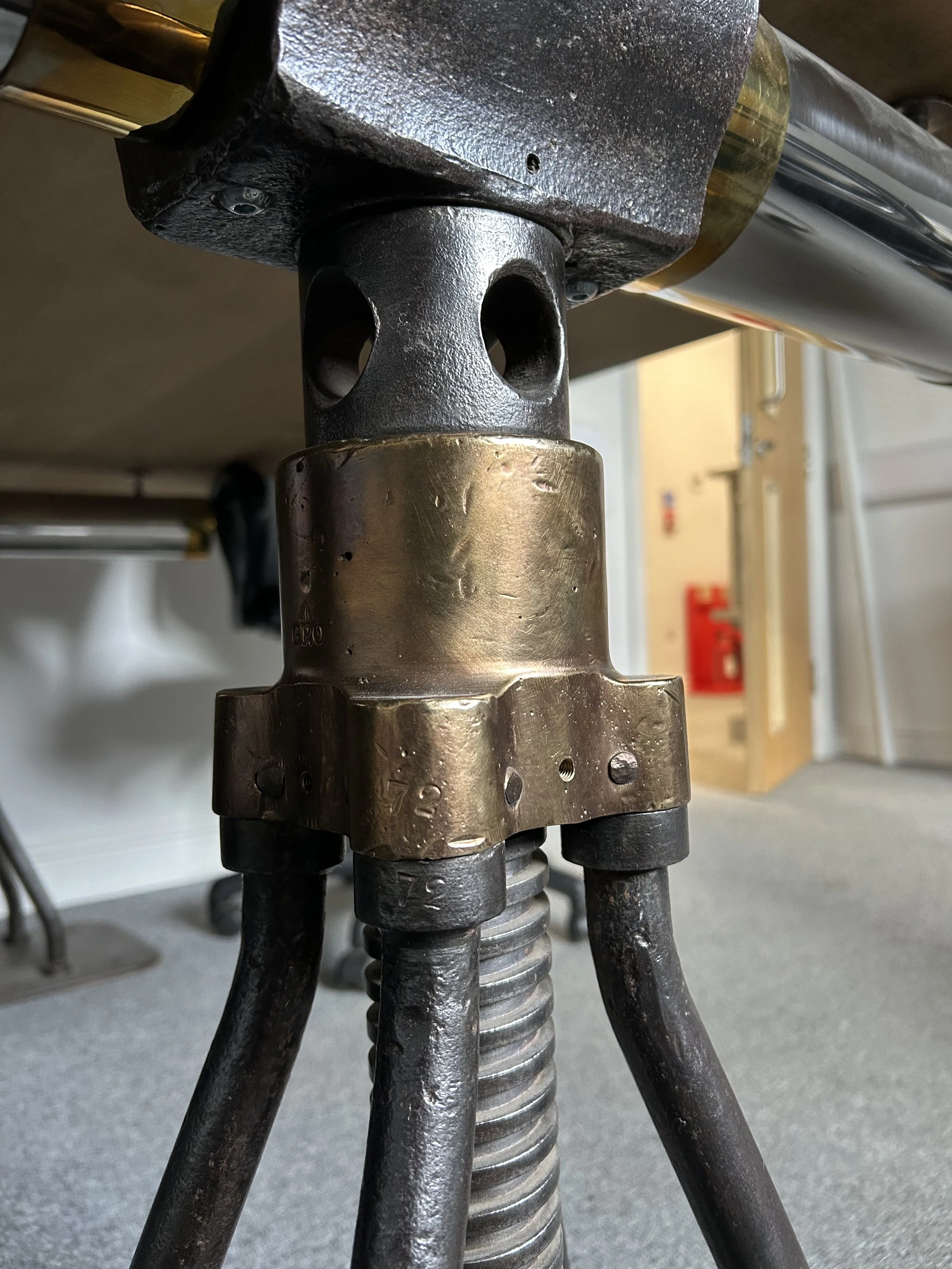
Bronze is a strong, self lubricating metal, often used in the manufacture of sleeves on machinery drive shafts. Many of the older pieces of machinery in our own workshop have bronze sleeves; testament to their hard wearing quality, they are as good today as they day they were installed.
There are many different grades of bronze, all with unique characteristics that lend themselves to different uses:
Aluminium Bronze - strong, corrosion-resistant for marine use
Phosphor Bronze - hard-wearing for gears/springs
Leaded Bronze - good for bearings
Silicon Bronze - fluid for casting/art
Manganese or Nickel-Aluminium Bronze - tailored for specific strength, wear, or marine performance
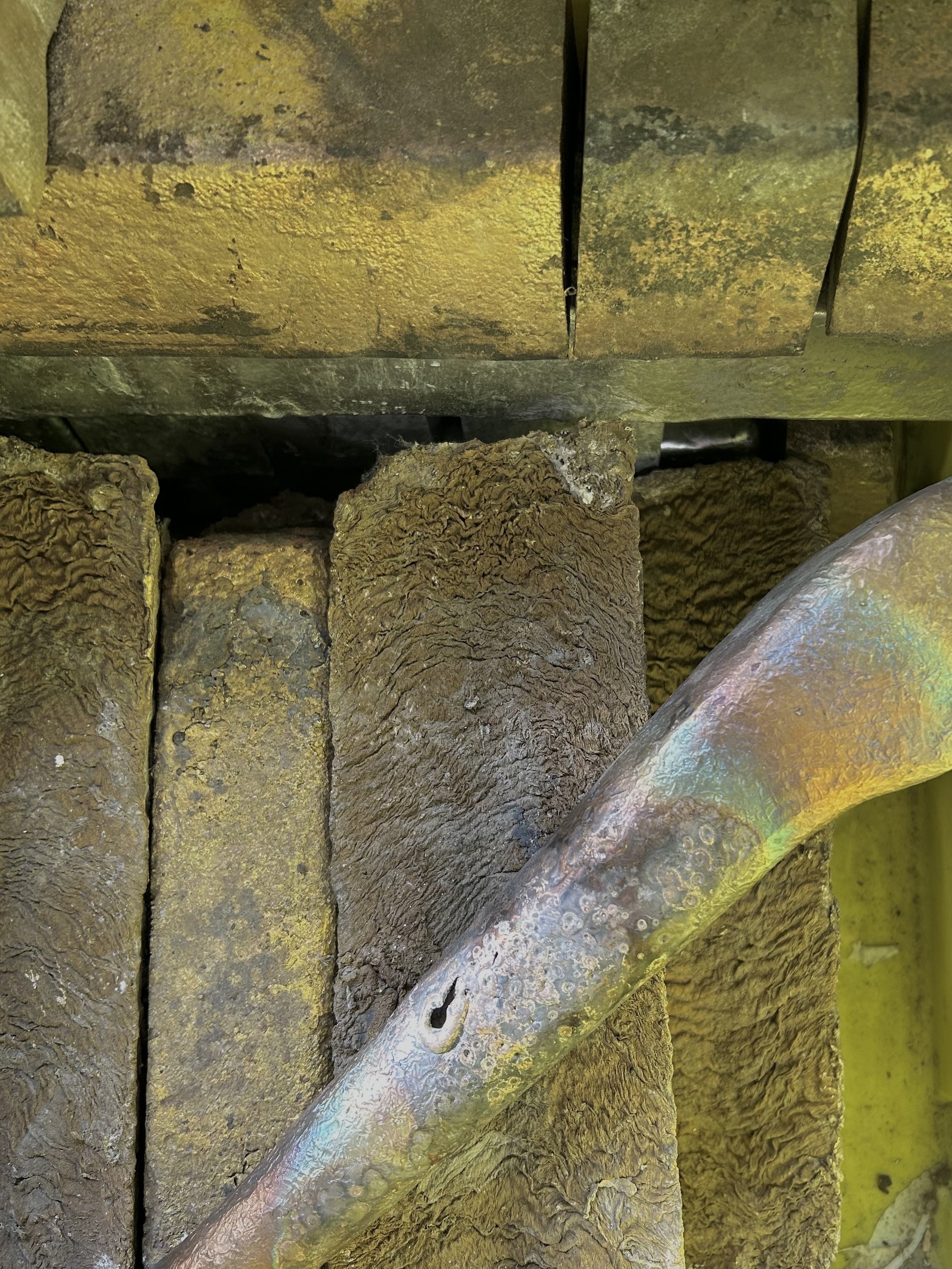
Bronze in the production process
Due to the nature of our bespoke bronze design work, FRD Designers & Makers work mostly in Silicon Bronze, it is excellent for casting and some of its key features include:
The addition of silicon increases fluidity, allowing the molten metal to flow easily into complex moulds and reducing shrinkage.
It has a low melting point which eases the casting process.
Long-lasting corrosion resistance, making it ideal for marine hardware and outdoor sculptures.
Combining the strength of steel with the corrosion resistance of bronze, silicon bronze is excellent for structural components.
Easy to weld, which is advantageous for assembling large or complex, multi-part castings.
Golden or reddish in colour, it accepts patinas well, making is visually appealing and a favourite amongst artists.
Thanks to low levels of lead and other impurities, bronze will create high-quality castings.
“FRD Designers & Makers continue the ancient tradition of using bronze in bespoke interior design projects worldwide. From bronze furniture to handrails, super yachts to lighting designs, we can achieve numerous bronze finishes from mirror to aged antique, waxed to polished, all enhancing the raw beauty of traditional bronze metal work.”
From timeless sculptures to architectural detailing and even bronze step trims that support everyday movement, bronze metal remains as relevant today as in centuries past.
Its unique fusion of functional strength and aesthetic appeal ensures that designers and makers, whether crafting bespoke bronze artwork or specifying durable urban infrastructure, continue to choose bronze for projects that are meant to last and be admired.